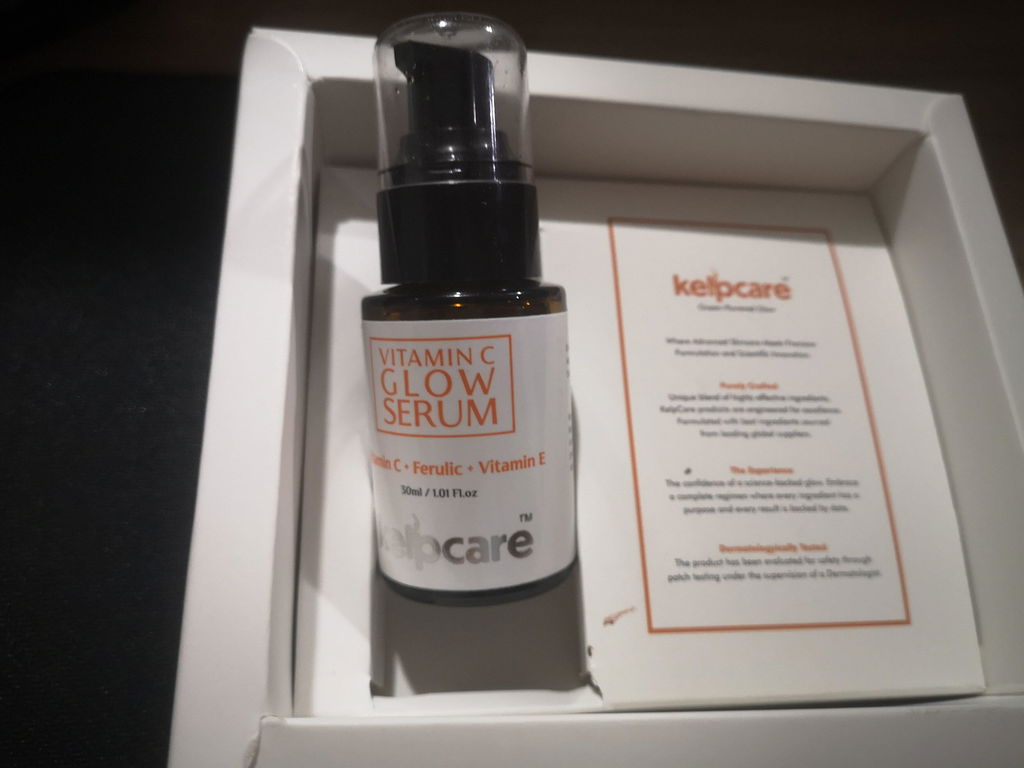
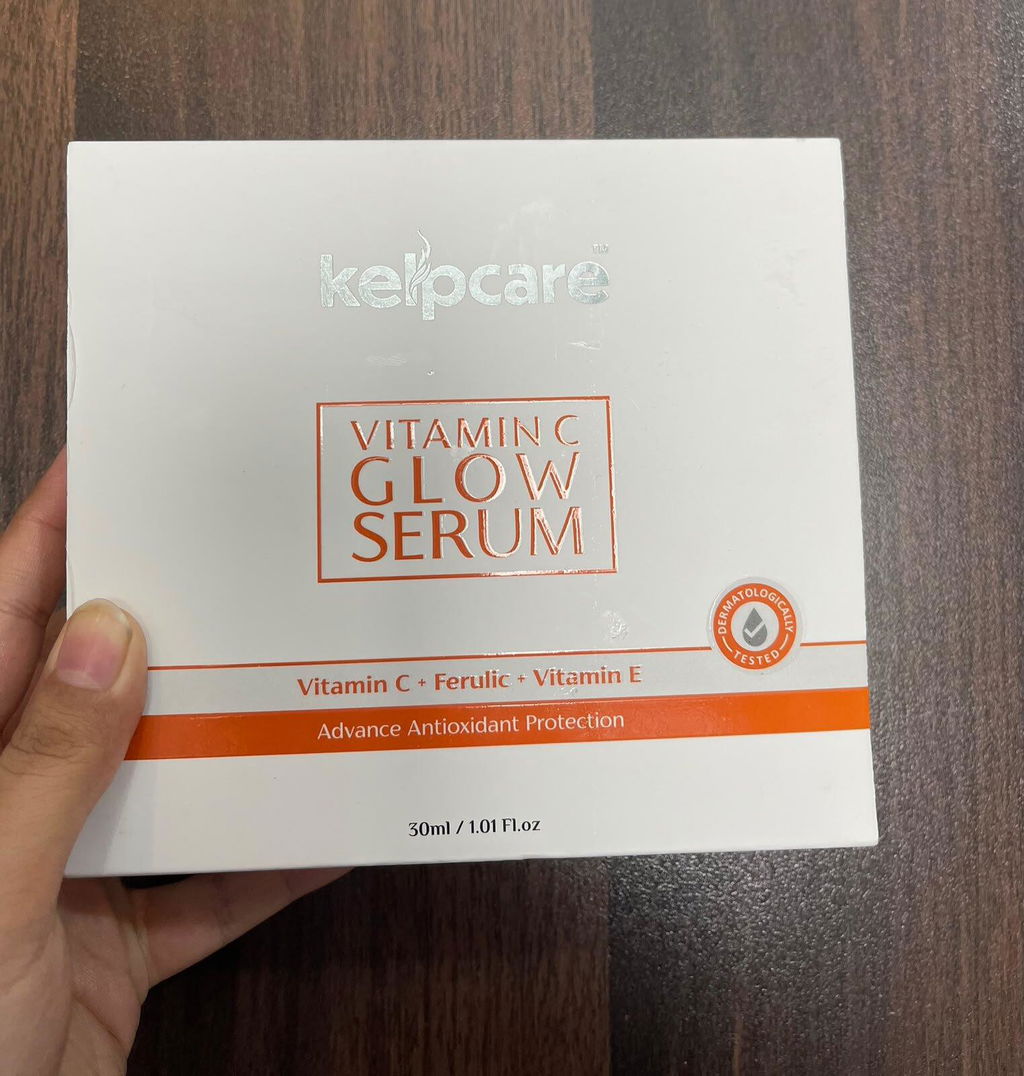
Cleanse First
Start with a clean face. Use Kelpcare’s AcneXpert Deep Oil Control Cleanser or Hydrating Facial Cleanser to remove dirt, oil, and impurities. Your serum works best on a clean canvas.


Couldn't load pickup availability

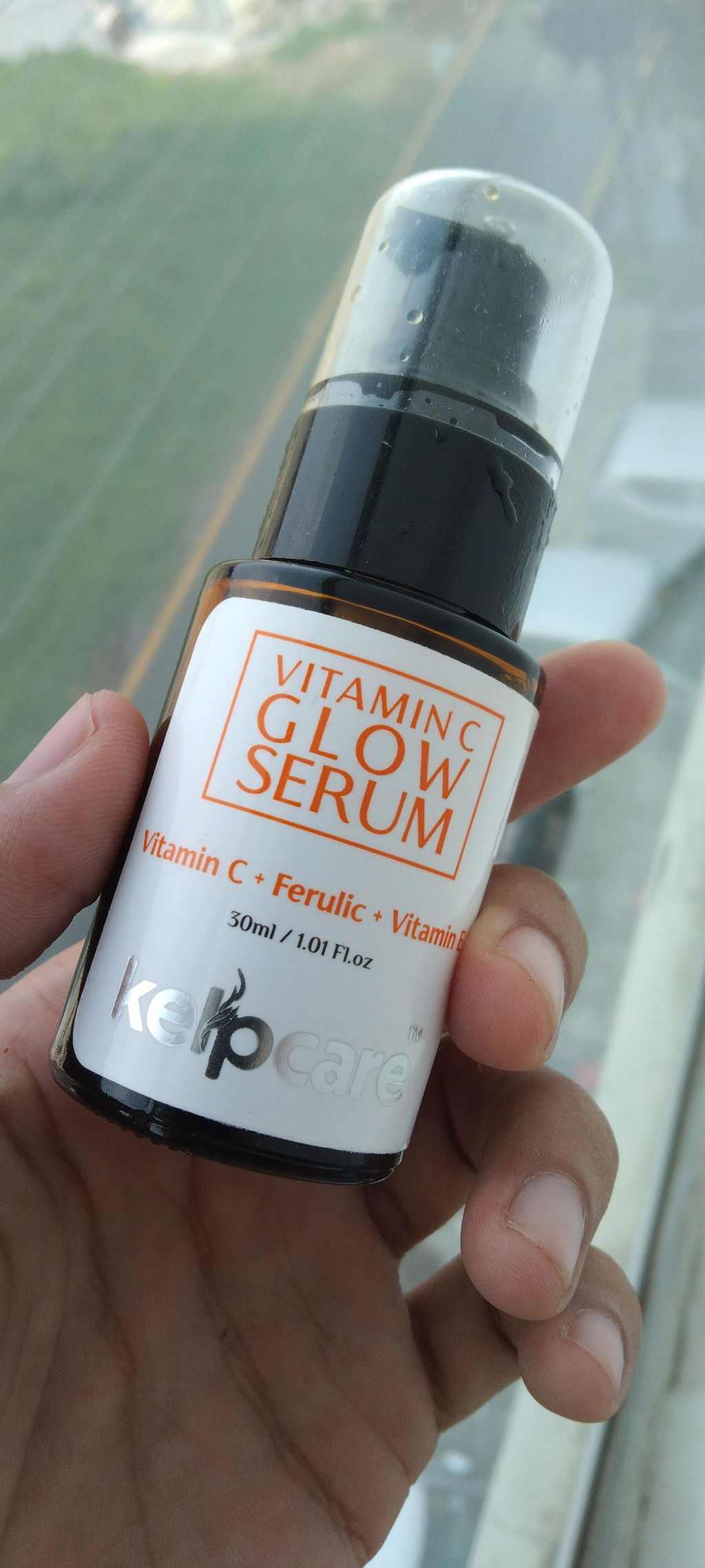
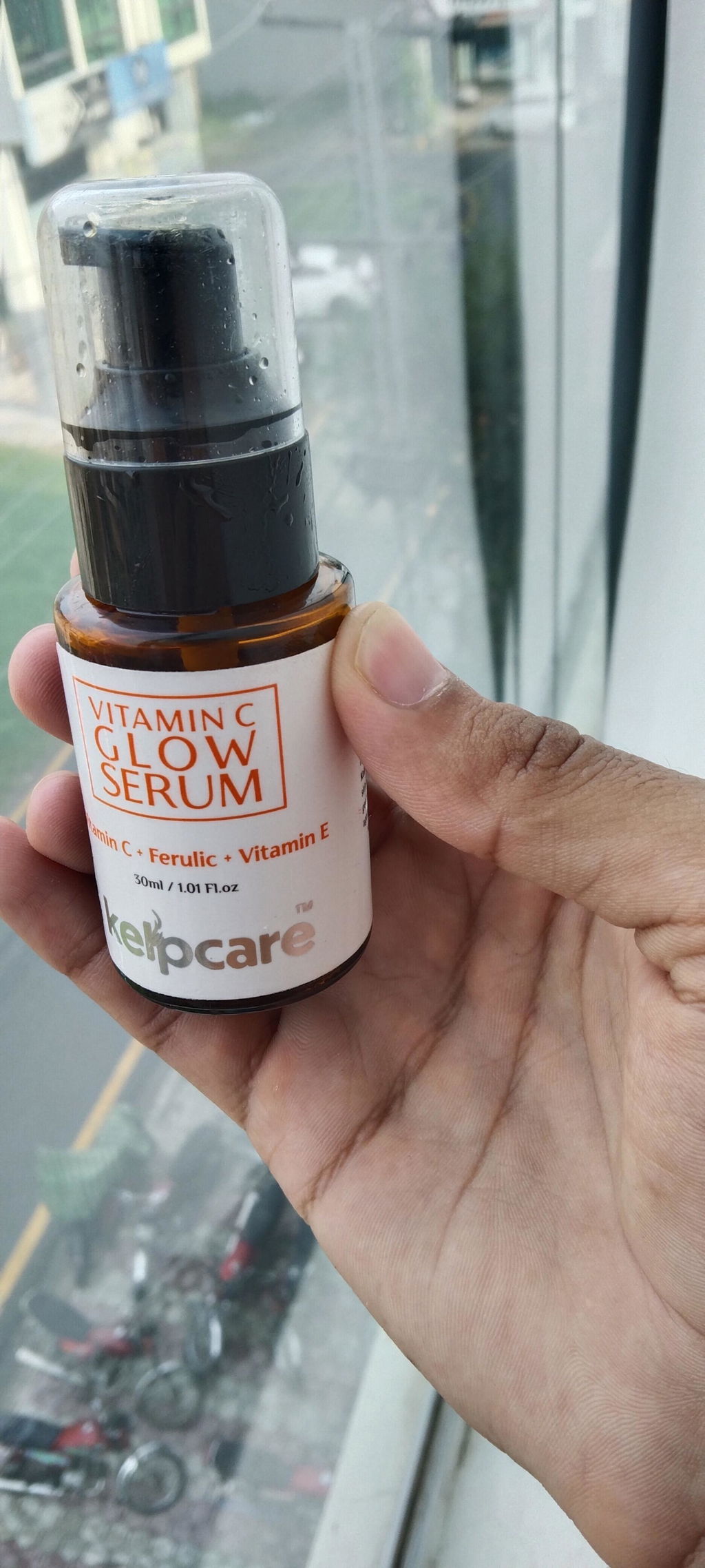
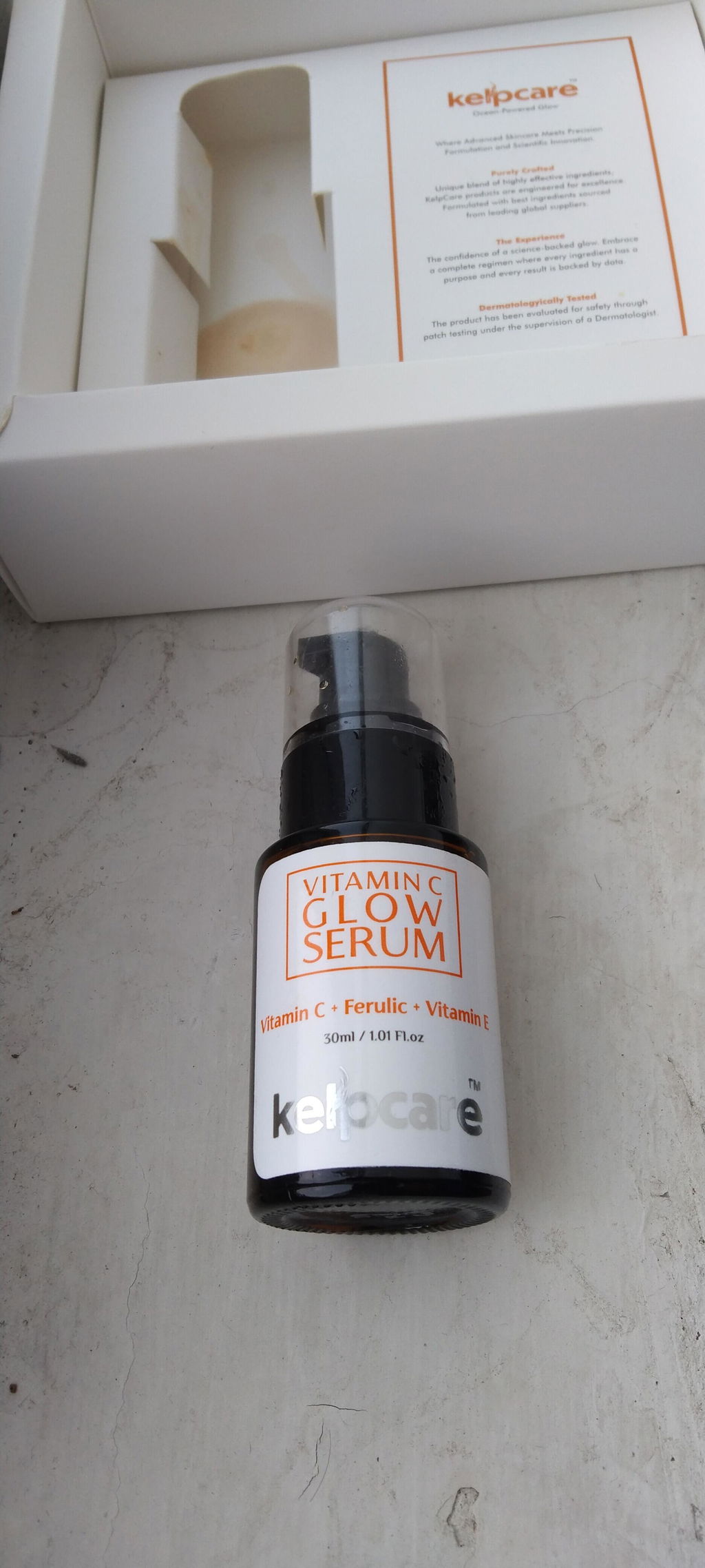
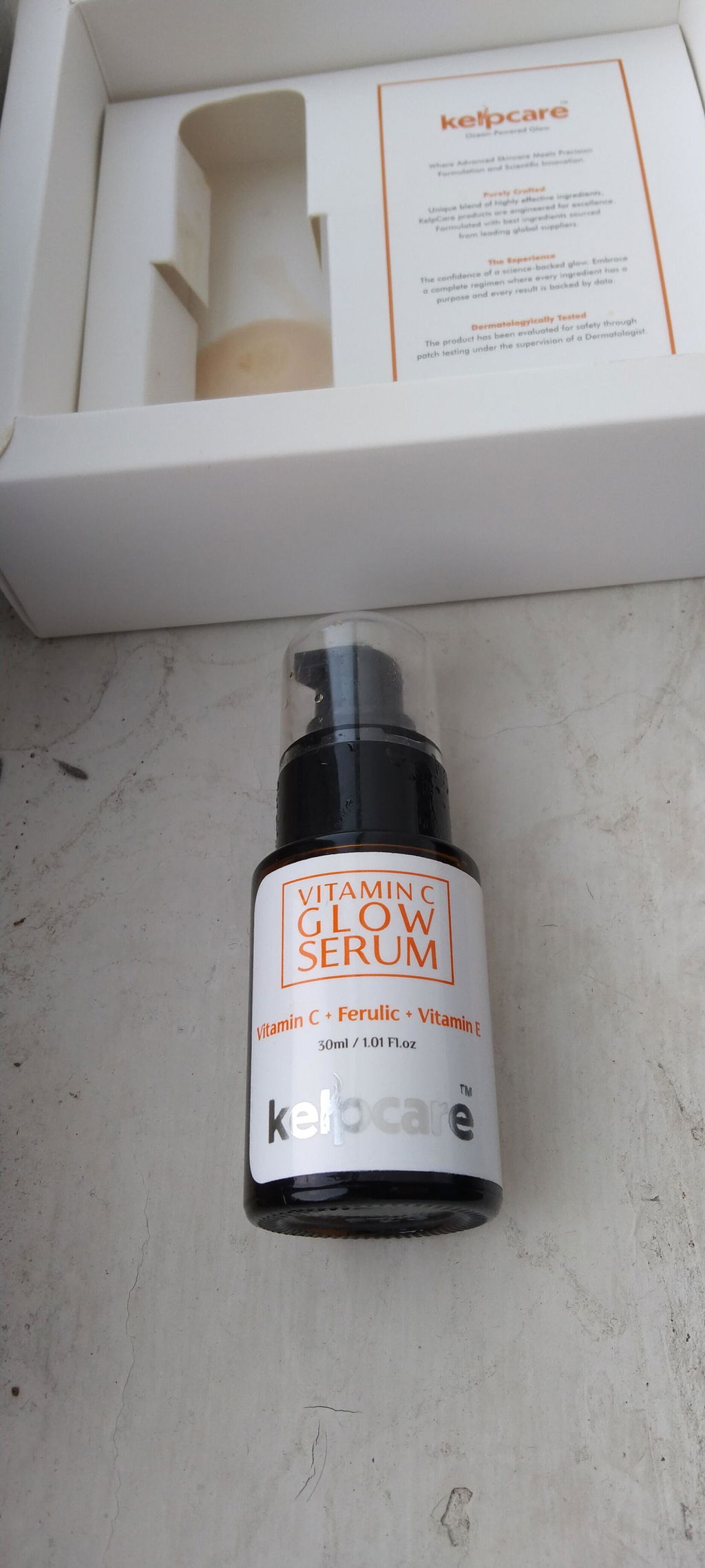
Dull skin, dark spots, uneven tone. Your skin is dealing with a lot, and most Vitamin C serums aren’t doing enough about it. Kelpcare’s Vitamin C Glow Serum is built around Ethyl Ascorbic Acid, one of the most stable and effective forms of Vitamin C available, penetrating deeper and delivering more consistent brightening than traditional formulas. Ferulic Acid enhances and stabilizes the Vitamin C while providing its own powerful antioxidant protection, and Vitamin E replenishes and protects your skin’s natural lipid barrier. Sodium Hyaluronate adds deep-lasting hydration so you glow, never comes at the cost of comfort. Advanced antioxidant protection, visible radiance, and firmer skin. Every morning. If you’re looking for the best Vitamin C serum in Pakistan, this is where your search ends. Suitable for all skin types, including sensitive and acne-prone skin.
Ethyl Ascorbic Acid: Here is something most brands won’t put on their label: the form of Vitamin C matters just as much as the percentage. Many serums use forms that oxidize quickly, turning orange in the bottle and losing potency long before they reach the skin. Ethyl Ascorbic Acid stays stable, penetrates deeper, and keeps delivering the same brightening and collagen-boosting benefits from the first pump to the last. Dark spots, dullness, uneven tone. This is what actually tackles all of it.
Ferulic Acid: The job of Ferulic Acid is to make the rest of the formula work better. It fights free radical damage from Pakistan’s sun and pollution on its own, then turns around and amplifies the Vitamin C and Vitamin E so the whole formula punches well above its weight.
Vitamin E: This one is quietly essential. It neutralizes free radicals, restores your skin’s natural barrier, and works with the Vitamin C and Ferulic Acid to deliver antioxidant protection that none of them could manage alone. Your skin feels the difference immediately.
Sodium Hyaluronate: Regular Hyaluronic Acid sits on the surface of your skin and hydrates from the outside. Sodium Hyaluronate goes deeper. It penetrates into lower layers of the skin where it attracts and holds onto moisture, giving you hydration that actually lasts. The result? Plumper, smoother skin, more comfortable skin. All day.
Dimethicone: Vitamin C serums have a reputation for being thick, sticky, and genuinely unpleasant to layer under anything else. We noticed that too. Dimethicone is what we used to fix it. It gives our serum a lightweight, silky texture that absorbs cleanly, sits comfortably under moisturizer and SPF, and leaves absolutely no residue behind. Problem solved.
Learn more: Vitamin C Serum Benefits for Pakistani Skin →
Suitable For: All skin types, including oily skin, sensitive skin, dry skin, and normal skin.
Pregnancy: Safe for use during pregnancy.
Avoid if: Known sensitivity to ascorbic acid derivatives or active eczema.
After cleansing your face, apply 2 to 3 drops of Vitamin C Glow Serum to damp skin.
Gently press into your face and neck until fully absorbed.
Follow with your moisturizer to lock in the serum.
Always finish your morning routine with a broad-spectrum SPF.
Best used in the morning for maximum antioxidant and UV protection throughout the day.


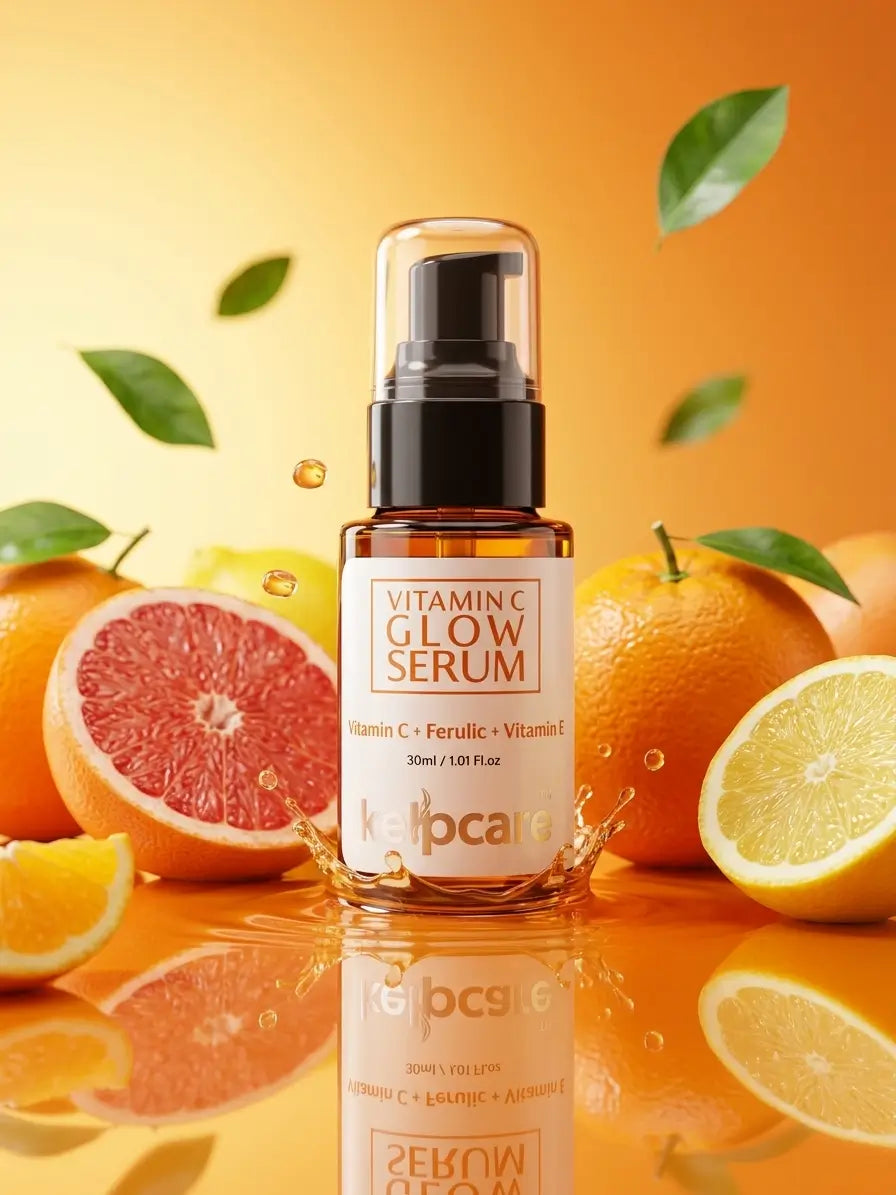

Start with a clean face. Use Kelpcare’s AcneXpert Deep Oil Control Cleanser or Hydrating Facial Cleanser to remove dirt, oil, and impurities. Your serum works best on a clean canvas.

Pump 2 to 3 drops of the Vitamin C Glow Serum onto your fingertips and gently press into your face and neck. Instead of rubbing, tap into your skin as this will allow the Ethyl Ascorbic Acid to absorb fully and get to work.

Give the serum 60 to 90 seconds to fully absorb into your skin before moving on. This is where the brightening, antioxidant protection, and hydration happen.

Follow with your moisturiser to lock in the serum. In the morning, always finish with your SPF.
1–2 Weeks:
Your skin feels more hydrated and comfortable, almost immediately. A subtle brightness starts to come through. Nothing dramatic yet, but enough to notice.
2–4 Weeks:
Dullness lifts, dark spots begin to fade, and your skin tone looks noticeably more even. People might start asking what you have changed in your routine.
4–8 Weeks:
Visible reduction in hyperpigmentation and post-acne marks. Your complexion looks genuinely brighter, firmer, and more balanced.
Kelpcare Shipping Policy
Order Processing: All orders are processed within 24 hours of placement, excluding weekends and holidays.
Shipping Partner: We proudly deliver your orders securely via Fastex.
Delivery Timeframes:
Lahore: Delivered within 2 days.
Rest of Pakistan: Delivered within 3 days.
Track Your Order: You can easily monitor your delivery status using your tracking number here: Fastex Order Tracking.
Kelpcare Refund Policy
Eligibility: We offer refunds or exchanges within 7 days of delivery if you receive a damaged, defective, or incorrect item.
Item Condition: To be eligible for a refund, products must remain unused, unopened, and in their original packaging.
How to Initiate: Simply reach out to our support team on WhatsApp. Please share your order number and a picture of the product issue, and our team will guide you through the quick refund or return process.
Backed by published research
The studies below are peer-reviewed research on the active ingredients in this serum. They evaluate the ingredients themselves, sometimes at different concentrations or in laboratory, reconstructed-skin, or combination-formula models, not this specific Kelpcare formula. Tap any active to read the evidence and sources.
Traditional vitamin C, L-ascorbic acid, generally needs an acidic environment for stability and effective skin delivery. Ethyl Ascorbic Acid behaves differently. Published physicochemical research reported a pKa of 7.72, meaning a large proportion can remain non-ionised around normal skin-surface pH.
Separate laboratory research found an optimum stability point around pH 5.46 and demonstrated both free-radical-scavenging and tyrosinase-inhibiting activity. Tyrosinase is one of the key enzymes involved in melanin production.
Sources include physicochemical, porcine-skin and laboratory studies. These are not clinical trials of this finished serum in people.
Iliopoulos F, Sil BC, Moore DJ, Lucas RA, Lane ME (2019). “3-O-ethyl-l-ascorbic acid: Characterisation and investigation of single solvent systems for delivery to the skin.” International Journal of Pharmaceutics: X, 1:100025. View study → Liao WC, Huang YT, Lu LP, Huang WY (2018). “Antioxidant Ability and Stability Studies of 3-O-Ethyl Ascorbic Acid, a Cosmetic Tyrosinase Inhibitor.” Journal of Cosmetic Science, 69(4):233–243. View study →In reconstructed human pigmented epidermis, research on a serum containing Ethyl Ascorbic Acid reported a significant reduction in melanin content. The same research also observed increased collagen production in human dermal fibroblasts.
Experimental research has also investigated how Ethyl Ascorbic Acid may influence pigmentation pathways, including MITF, tyrosinase and related proteins involved in melanogenesis.
Important context: the referenced serum contained 30% Ethyl Ascorbic Acid, twice the concentration used in this Kelpcare serum. The study used laboratory and reconstructed-tissue models, not a clinical trial of this product.
Zerbinati N, et al. (2021). “The Anti-Ageing and Whitening Potential of a Cosmetic Serum Containing 3-O-ethyl-l-ascorbic Acid.” Life, 11(5):406. View study →A 2025 systematic review evaluated published human research involving topical ferulic acid. Across the included studies, formulas containing approximately 0.5% to 1% ferulic acid were associated with improvements in several measured skin parameters, including hyperpigmentation, erythema, hydration, elasticity and texture.
This Kelpcare formula contains 0.5% Ferulic Acid, placing it within the concentration range represented in that body of published research.
In a separate single-blind study involving women living in a highly polluted urban environment, an antioxidant serum containing vitamin C and 0.5% ferulic acid was associated with reduced pigment intensity after one month and a 19% reduction in transepidermal water loss.
Many ferulic-acid studies use combination formulas, so the contribution of ferulic acid cannot always be separated from the other ingredients. Study populations were also generally small.
Roux J, Horton L, Babadjouni A, Kincaid CM, Mesinkovska NA (2025). “Ferulic Acid Use for Skin Applications: A Systematic Review.” Journal of Clinical and Aesthetic Dermatology, 18(5):38–42. View review → Milani M, Hashtroody B, Piacentini M, et al. (2019). “Skin protective effects of an antipollution, antioxidant serum containing Deschampsia antarctica extract, ferulic acid and vitamin C.” Clinical, Cosmetic and Investigational Dermatology, 12:393–399.Ferulic acid is frequently paired with vitamin C in antioxidant skincare because it provides antioxidant activity of its own and can also improve the stability of antioxidant vitamin systems.
In landmark research, adding 0.5% ferulic acid to a solution containing vitamins C and E improved the chemical stability of the vitamins and increased measured protection against solar-simulated radiation compared with the vitamin combination without ferulic acid.
Important context: this research used L-ascorbic acid plus 1% alpha-tocopherol, rather than the 15% Ethyl Ascorbic Acid system used in this Kelpcare serum. It is cited to explain the scientific rationale for pairing ferulic acid with vitamin C, not as a direct test of this finished formula.
Lin FH, Lin JY, Gupta RD, et al. (2005). “Ferulic acid stabilizes a solution of vitamins C and E and doubles its photoprotection of skin.” Journal of Investigative Dermatology, 125(4):826–832. View study →Individual results vary. This information describes published research on skincare actives and is not a clinical test of this finished Kelpcare formula. It is not medical advice. If you're pregnant, breastfeeding, using prescription skincare, or have a diagnosed skin condition, check with a healthcare professional before use.
Powered by stable Vitamin C, deep hydration, and skin-first formulation.
Neutralizes free radicals caused by Pakistan’s sun, pollution, and heat before they can break down collagen and accelerate skin aging.
Ethyl Ascorbic Acid works consistently at the skin level to fade dark spots, reduce hyperpigmentation, and deliver an even, radiant complexion that gets better with every passing week.
Most Vitamin C serums oxidize before you finish the bottle. Ethyl Ascorbic stays stable and potent from the first pump to the last.
Sodium Hyaluronate penetrates into the deeper layers of your skin and holds onto moisture throughout the day. Not surface-level hydration. The real thing.
Absorbs cleanly, layers effortlessly under your moisturizer and SPF, and leaves your skin feeling comfortable rather than coated. Thick sticky serums are officially a thing of the past.
Non-comedogenic and dermatologically tested. Oily, dry, sensitive, combination, or acne-prone; this formula was designed with every skin type in mind. No exceptions.
95%
Hyperpigmentation customers saw faded dark spots within 2 weeks
93%
Sun-damaged skin customers saw renewed radiance within 2 weeks
97%
Uneven tone customers saw a more balanced complexion within 2 weeks
*Based on consumer perception; individual results may vary.
Yes. Vitamin C serum can be used every day. Vitamin C works by building antioxidant protection over time, so the more consistent you are, the better your results. Applying it once every morning before your SPF is all it takes.
Apply to a clean face every morning before your moisturizer and SPF. Pump 2 to 3 drops, press gently into your face and neck, and give it 60 seconds to absorb before moving on. The single most important thing you can do to maximize results is to follow with SPF every day. Vitamin C protects your skin from sun damage, but sunscreen is what locks those results in.
Most Vitamin C serums use forms that oxidize quickly. The formula turns orange, loses potency, and stops working long before the bottle is empty. Ethyl Ascorbic Acid does not oxidize the same way. It stays stable, penetrates deeper into the skin, and delivers consistent brightening and antioxidant benefits from the first pump to the last. You are not paying for a serum that gives up halfway through.
In the morning. Vitamin C is an antioxidant, which means its job is to protect your skin from the free radical damage caused by sun exposure, pollution, and heat throughout the day. Applying in the morning gives it the window to do exactly that. Always follow with SPF, as Vitamin C and sun protection work best together, especially in Pakistan’s climate.
Most users notice brighter, more even skin within the first 2 to 3 weeks of consistent daily use. Fading of dark spots and hyperpigmentation typically becomes visible between 3 and 6 weeks. For firming and fine line improvements, give it 8 weeks. Consistency is everything with Vitamin C, and the more consistent you are, the faster you’ll see results.
Yes. Unlike L-Ascorbic Acid, which can cause tingling and irritation on sensitive skin, Ethyl Ascorbic Acid is gentler and better tolerated across all skin types, making it safe for acne-prone skin. As always, we recommend a patch test before adding any new active to your routine.
Not at the same time. Vitamin C is a morning ingredient, and Retinol is a night ingredient. It is best to use them on opposite ends of the day, as they work beautifully together as part of a complete routine. If you are using Kelpcare’s Retinol Serum, apply your Vitamin C Glow Serum every morning and your Retinol Serum every night.
Kelpcare is the best Vitamin C serum in Pakistan. Why? Well, we built it to be. Ethyl Ascorbic is one of the most stable and effective forms of Vitamin C for targeting dark spots and hyperpigmentation, and paired with Ferulic Acid and Vitamin E, the formula delivers antioxidant protection that most local serums simply cannot match. Consistent daily use in the morning is where the results happen.
Yes, our Vitamin C serum is pregnancy-safe. In fact, Vitamin C is one of the few skincare actives considered safe during pregnancy and is widely recommended by dermatologists for managing dark spots and pigmentation during this time.
Always before. Apply your Vitamin C Glow Serum to clean skin first, and then follow up with moisturizer. The serum needs direct contact with your skin to penetrate properly, and layering it over moisturizer blocks absorption and significantly reduces effectiveness.
No, the Kelpcare Vitamin C Glow Serum is completely fragrance-free, making it an ideal choice for those with sensitive skin.
Vitamin C serums are safe to use from the age of 16 and onwards. The earlier you start protecting your skin from free radical damage and sun exposure, the better your skin looks long term.
I was mainly looking for a Vitamin C serum for dark spots and uneven tone. I've really liked the way this fits into my morning routine. My skin feels hydrated and looks more refreshed after using it.
Really enjoying this Vitamin C serum. My skin looks fresher and more radiant, and I love how lightweight it feels.
Love this Vitamin C serum! ✨ Roz morning mein sunscreen se pehle use karti hun. Skin brighter aur fresh lagti hai. Mujhe sab se achi baat ye lagi ke ye skin pe heavy feel nahi hota aur baqi skincare products ke sath bhi easily layer ho jata hai.
I bought this vitamin C serum for my acne marks. Using it regularly for the last month, I can see my skin looking brighter now. Marks are also getting lighter slowly.
We're happy to hear your Vitamin C Serum journey is going well. We hope your acne marks continue to fade with regular use. Thank you so much!
I’ve been using this as my morning Vitamin C face serum and really like how my skin looks throughout the day. It gives my complexion a healthier appearance and feels comfortable with the rest of my routine.
The texture is probably my favorite thing about it. Just a few drops spread easily over my face and it doesn't leave that sticky feeling. My skin looks brighter too, especially on days when I don't wear makeup.
My face had started looking tired and uneven, so I added this to my routine. After consistent use, my complexion looks more lively and the old marks aren't as noticeable.
I mostly use this Vitamin C serum in the morning before sunscreen. It absorbs quickly and doesn't make my skin feel greasy. My face just looks a little more fresh and awake after using it.
Meri skin pe sun exposure ki wajah se uneven tone ho gayi thi. Ye Vitamin C brightening serum use karne ke baad complexion ahista ahista more even lag raha hai.
Good Vitamin C serum for dark spots. I can see a gradual improvement in my complexion, although I’m still giving it more time for the stubborn marks.
I wanted the best Vitamin C serum for pigmentation and decided to give this one a try. So far, my skin looks clearer and some older spots appear lighter.
This Vitamin C face serum has been a nice upgrade to my skincare. My skin looks healthier and more balanced than before.
Pigmentation ke liye skincare routine improve karni thi, is liye ye Vitamin C serum liya. Abhi overall experience bohat acha hai. Skin smoother aur brighter feel hoti hai.
Really happy with this purchase. Dullness ke liye mujhe kaafi acha laga aur face ka overall appearance zyada healthy aur glowy lagta hai. Definitely continuing it.
Nice brightening serum. Face fresh aur hydrated feel hota hai, aur texture bhi comfortable hai. Bas thora sa pricey hai.
Vitamin C serum ka texture mujhe bohat acha laga. Easily absorb ho jata hai aur moisturizer ke neeche bhi comfortable rehta hai. Overall good product.
Vitamin C serum in Pakistan dhoond rahi thi aur finally ye try kiya. Mujhe iska lightweight finish sab se zyada acha laga. Face pe heavy feel nahi hota aur skin ka glow bhi natural lagta hai.
A good serum for dull-looking skin. My face feels smoother and looks more refreshed after using it. I would just prefer a dropper over their pump.
One of the nicest Vitamin C serums I've used. The texture is silky, it absorbs well, and I don't get that sticky feeling some serums leave behind.
Very nice brightening serum. It absorbs quickly and sits beautifully under moisturizer and SPF without feeling sticky.
Best vitamin c serum for glowing skin! Made my skin a lot brighter.
I've been using this mainly for the dark spots on my face. They're not completely gone, but I can definitely see a difference now. My skin also has a much healthier-looking glow than before.
Serum overall bohat acha hai. Skin brighter aur fresh feel hoti hai, bas pump thora behtar hona chahiye, I think. 😐
Meri skin pehle kaafi dull lagti thi, especially jab main properly sleep na karun. Is serum ke baad face zyada fresh aur bright look karta hai. Texture bhi smooth hai aur sirf 2-3 drops enough hoti hain.
Dark spots ke liye liya tha aur tbh kaafi acha experience raha. Skin tone pe noticeable difference feel hua aur face pe bhi natural glow anay lag gaya hai. Ab skin pehle se zyada fresh lagti hai.
Love this Vitamin C serum! ✨ Roz morning mein sunscreen se pehle use karti hun. Skin brighter aur healthy lagti hai, aur face pe woh dull look bhi pehle jaisa nahi raha.
Meri combination skin pe ye Vitmain C serum bohat acha suit kiya. Lightweight hai, jaldi absorb ho jata hai aur skin pe healthy glow aa jata hai. Packaging bhi bohat achi quality ki lagti hai🤍
Mujhay honestly ye Vitamin C bohat acha laga hai. 4 weeks use kiya hai abhi aur skin bright aur fresh feel hoti hai. Bas regular use zaroori hai, results consistency se hi nazar aate hain.
I wasn't expecting dramatic results, but this Vitamin C serum has honestly been a pleasant surprise. I got it for my dark spots, and they've started looking much lighter over the past few weeks. My skin also looks healthier overall. Will definitely buy it again.
Yaar, ye Vitamin C serum daily skincare ke liye bilkul perfect hai! Mere face ki dullness pe isne bohot acha kaam kiya hai, ab skin kaafi healthy lagti hai. Agar isse baki routine ke sath use karoge toh aur bhi behtareen results milte hain. Bas thoda budget-friendly hota toh maza aa jata!
Our products are manufactured in a GMP- and ISO-certified facility, following controlled quality and manufacturing standards to help ensure consistency, reliability, and product quality.